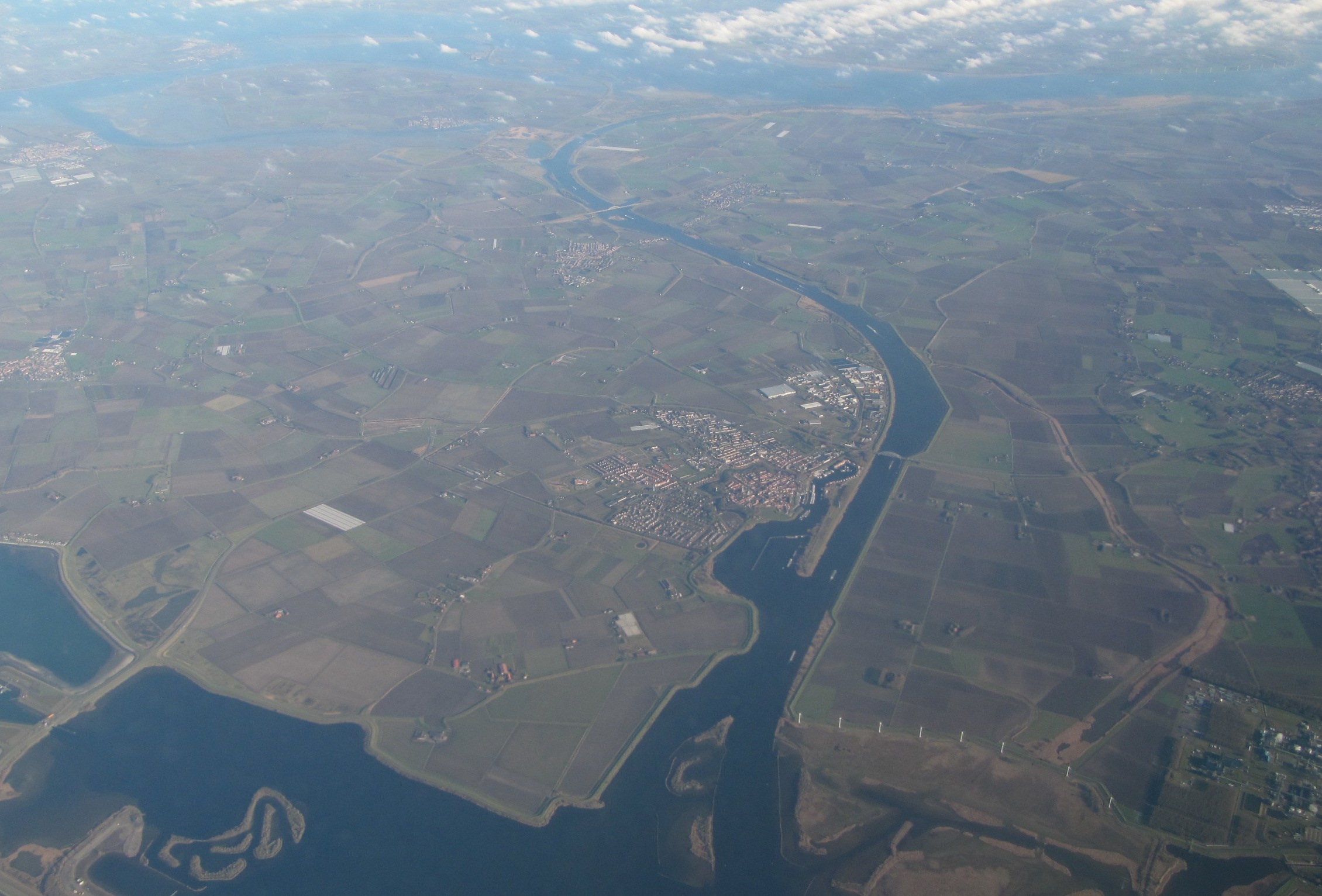
The continual drop in water levels on a number of inland waterways in the Netherlands has prompted Maersk to update its Low Water Surcharge, the additional charge applicable inland barge transportation to and from certain inland terminals in the region.
In a rate announcement Maersk explains that ‘recent drought conditions have led to increasing operational constraints on the inland waterway network, including navigation restrictions and the temporary closure of the Twentekanaal, further impacting the efficiency and reliability of inland transportation services.”
Low water levels do, in fact, reduce the load-carrying capacity of river barges and lead to higher operating costs throughout the entire supply chain.
Hence the increase in the surcharge, which – according to the company – is intended to partially offset these additional costs and to ensure the continuity and reliability of the service.
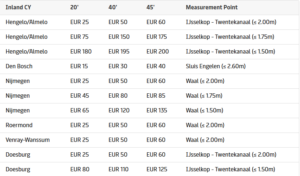
The new surcharges came into force on 3rd November. They vary according to the terminal in question, the size of the container (20’, 40’ or 45’) and the water level recorded at the designated monitoring points. The locations affected are Hengelo/Almelo, Den Bosch, Nijmegen, Roermond, Venray-Wanssum and Doesburg. The charges increase progressively as water levels fall, with rates varying according to the thresholds recorded.
Translation by Giles Foster