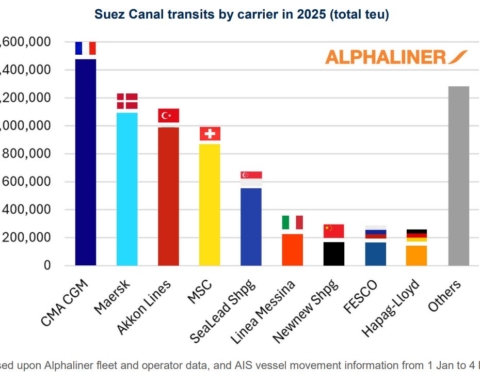
Geopolitical uncertainties continue to significantly influence the maritime transport market. While the situation in the Red Sea was a key factor contributing to box shipping’s strong performance in 2024, ongoing changes in tariff policies and trade disputes have undoubtedly played a decisive role in shaping market trends in the first half of 2025.
Presenting its mid-year financial results, Orient Overseas (International) Ltd (OOIL), part of the Chinese shipping group COSCO Shipping, pointed out that frequent changes in tariff policies have disrupted long-term planning, raising concerns among customers and undermining the confidence of both businesses and consumers.
It is no coincidence that freight rates for transpacific services have generally fallen since the beginning of the year. While it is true that the 90-day tariff suspension between China and the United States led to a rapid recovery in freight rates from their early May lows, it is also true that the rebound proved temporary, with rates subsequently falling again.
The rapid capacity surge and the arrival of new trade competitors have ultimately shifted the market balance to the supply side, while political uncertainties have fueled market concerns. As a result, many customers appear to have begun abandoning their precautionary strategy of bringing forward deliveries at the beginning of this year in favour of a more cautious, wait-and-see approach, according to OOIL’s analysis
Despite the general challenges facing the market, increasing freight rates on other routes have held up relatively well during this wave of tariff changes. This resilience is something that OOIL believes can be attributed to supply chain reorganization, differing economic conditions in the various regions, seasonal changes, or port congestion issues reported by many European ports. Furthermore, the Chinese group notes, the full impact of factors affecting transpacific routes may not yet have materialised. Regardless of the cause, the varying performance across different markets therefore allows carriers to seize certain opportunities.
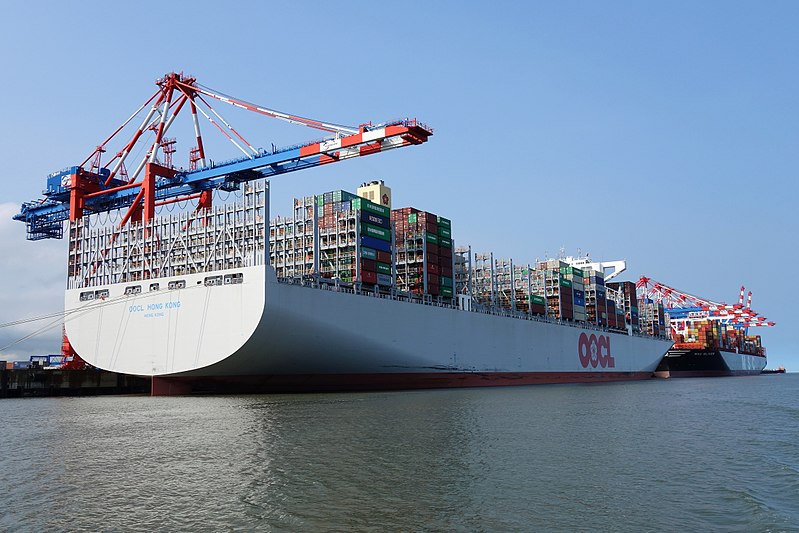
OOCL’s total cargo volumes for the first half of 2025 increased by 7%, and total liner shipping revenues were up 4% year-on-year. Despite only a single-digit improvement, the annual performance represents the best in the post-pandemic period in terms of both cargo volumes and revenues.
In the first half of 2025, OOCL’s average bunker price was approximately US$541 per tonne, down 8% from $589 per tonne in the same period of 2024. This contributed to a reduction in total bunker costs. However, fuel oil and diesel consumption increased by 2% in the first half of 2025 compared to the same period in 2024, largely due to the fleet’s greater operating capacity.
The trends in the first half of the year remind us that the maritime sector is highly dynamic and that anything is possible, the company concludes, which nevertheless points out that ongoing political uncertainties, developments in the Red Sea, the continued delivery of new vessels, changes in the global economy and the gradual tightening of environmental regulations are likely to have a profound impact on the overall development of the market.
The additional US port levies on Chinese carriers will also have a relatively significant impact on the Group. On the other hand, with global business models evolving towards greater regionalisation, market divergences or delayed or deferred responses may occur due to extended or restructured supply chains, all of which could potentially create opportunities for shipping companies to refine their strategies in segmented markets.
Translation by Giles Foster